
Yucca & Cycas
Drought-resistant, exotic-looking Yucca and Cycas species. Ideal choice for modern and minimalist gardens.
Yucca & Cycas Products
19 products
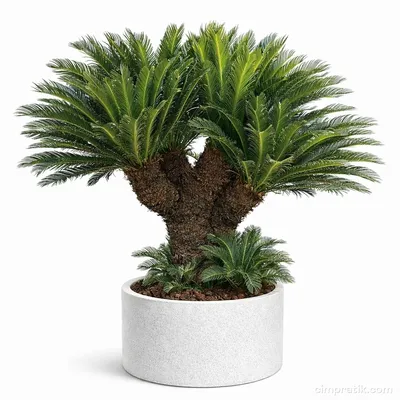
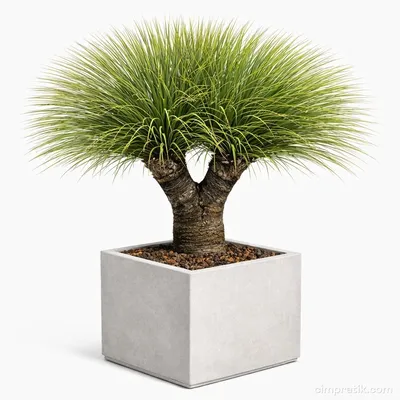
Yucca & Cycas
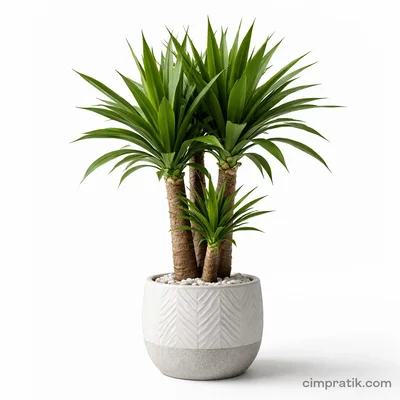
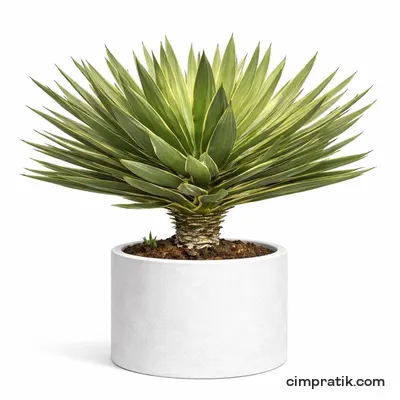
Multi Head Desert Spoon - Dasylirion Serratifolium
Dasylirion Serratifolium 'Multi Head'
Get Price Info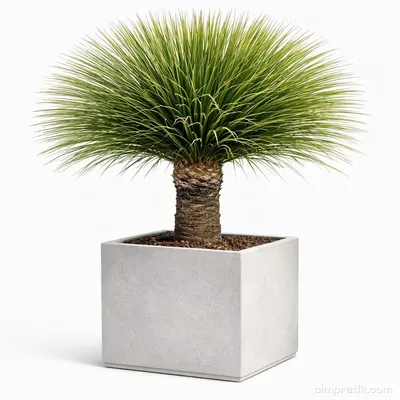
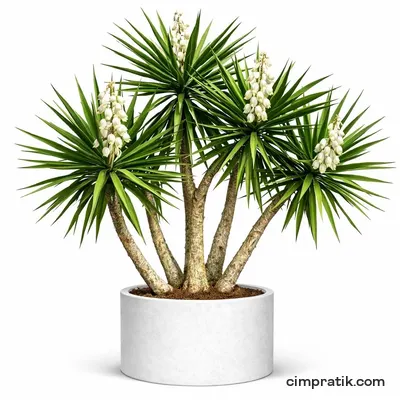
Yucca & Cycas
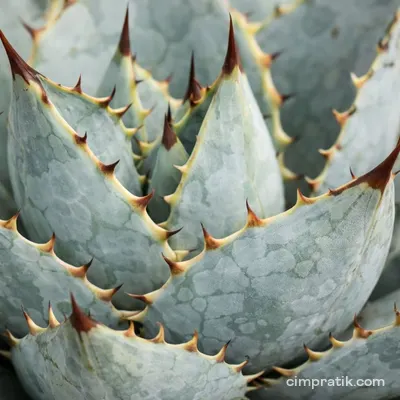
Variegated Yucca - Yucca Gloriosa 'Variegata'
Yucca Gloriosa 'Variegata'
Get Price Info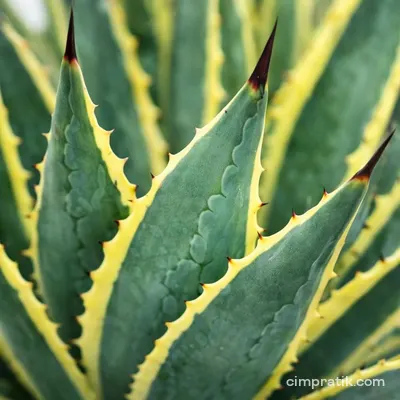
Yucca & Cycas
Variegated Century Plant (Agave americana 'Variegata')
Agave americana 'Variegata'
Get Price Info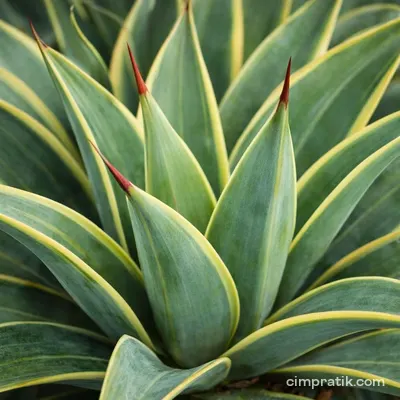
Yucca & Cycas
Variegated Smooth Agave (Agave desmettiana 'Variegata')
Agave desmettiana 'Variegata'
Get Price Info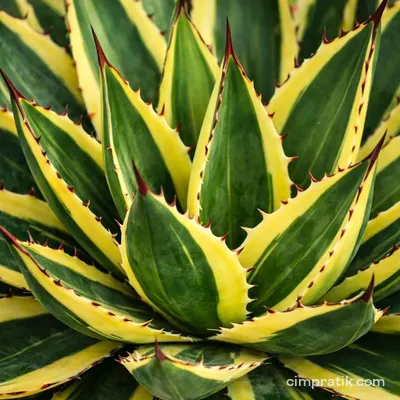
Yucca & Cycas
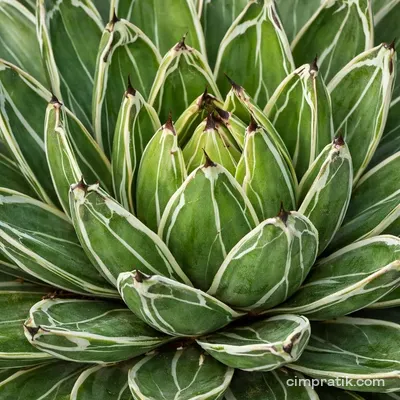
Quadricolor Agave (Agave lophantha 'Quadricolor')
Agave lophantha 'Quadricolor'
Get Price Info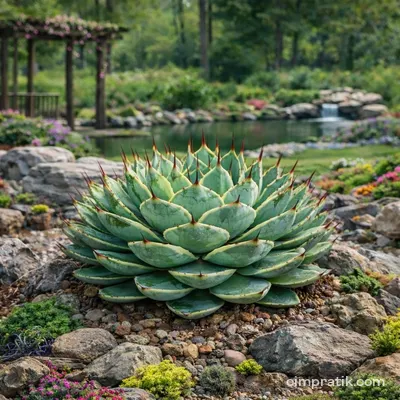
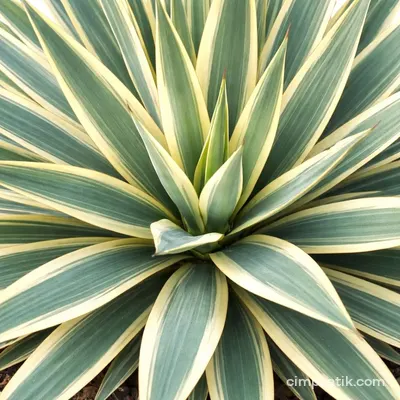
Yucca & Cycas
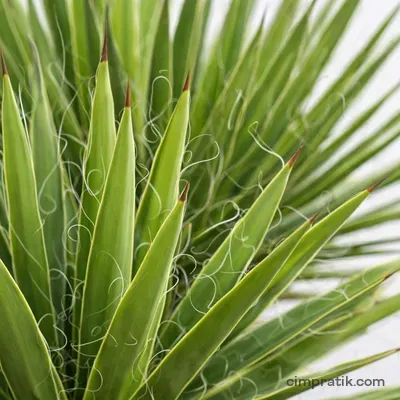
Variegated Spanish Dagger (Yucca gloriosa 'Variegata')
Yucca gloriosa 'Variegata'
Get Price Info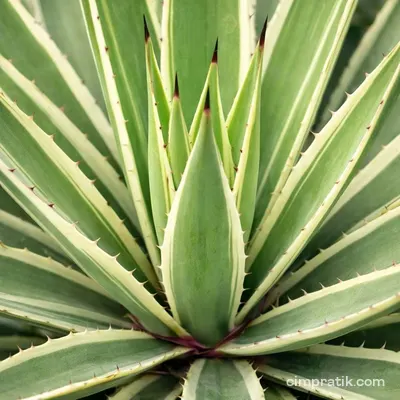
Yucca & Cycas
Variegated Caribbean Agave (Agave angustifolia 'Variegata')
Agave angustifolia 'Variegata'
Get Price Info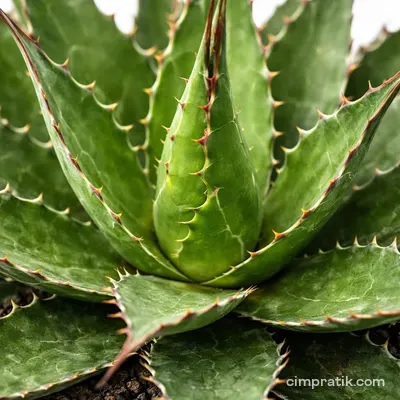
Yucca and Cycas Guide: Types, Care and Landscape Use
Yucca and Cycas are among the most preferred plants in modern landscape projects due to their drought resistance and exotic appearance. Their minimal maintenance requirements, longevity, and evergreen nature make them ideal for both commercial and residential landscapes.
Differences Between Yucca and Cycas Species
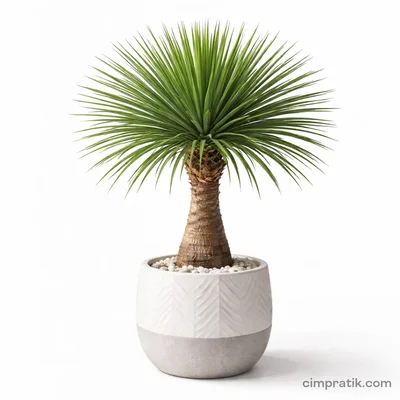
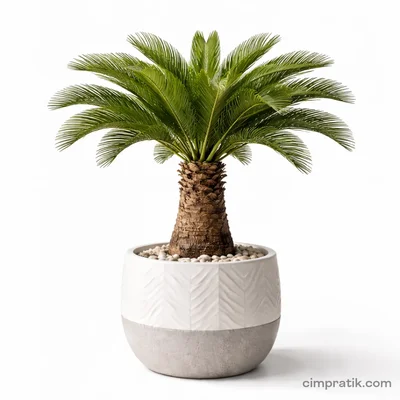
Yuccas belong to the Agavaceae family and originate from North and Central America. Yucca Rostrata is the most decorative species with blue-silver foliage, tolerating down to -15°C. Yucca Elephantipes (Spineless Yucca) with its thick trunk is used both indoors and outdoors. Cycas belong to the Cycadaceae family and are 200-million-year-old living fossils. Cycas Revoluta (Japanese Sago Palm) is the most common species known for its slow growth.
Yucca and Cycas in Landscape Design
In modern minimalist gardens, Yucca Rostrata is perfect as a standalone focal point; it creates dramatic appearance on gravel ground. In rock gardens, different Yucca species create natural desert theme combined with succulents. For entrance and terrace decoration, potted Cycas and Yucca are preferred by luxury hotels and restaurants. In Mediterranean themed landscapes, they harmonize beautifully with lavender and olive trees.
Yucca and Cycas Care Guide
Both species require well-drained soil; root rot is their biggest enemy. The 'less is more' rule applies for watering; water only after soil completely dries. Yuccas love full sun while Cycas tolerate partial shade. Fertilizing should be done with slow-release fertilizer in spring and summer. Yellowing lower fronds on Cycas is a natural process and can be cleaned.
Frequently Asked Questions
Yuccas are from the Agave family, fast-growing plants with sword-shaped leaves. Cycas are 200-million-year-old living fossils that grow very slowly. In appearance, Cycas resemble palms while Yuccas look more like desert plants.
Yucca Rostrata can withstand temperatures down to -15°C and can easily be grown outdoors in most parts of Turkey. This makes it one of the most cold-hardy exotic ornamental plants.
Cycas are very slow-growing plants, showing only 2-5 cm of height growth per year. Therefore, large Cycas are decades-old plants and more valuable. Slow growth also means low maintenance.
Yes, both species grow excellently in pots. Well-drained soil mix and drainage holes at the bottom are essential. Potted plants can be moved to sheltered areas in winter, which is advantageous in cold regions.