
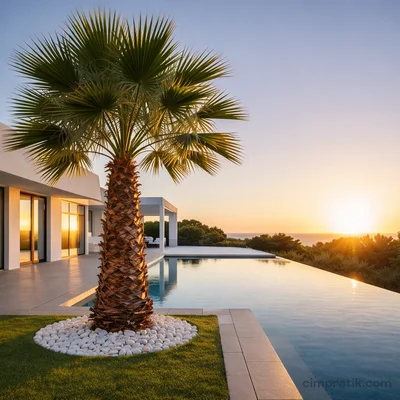
Palms
Palms, symbols of tropical and subtropical regions, provide an elegant and exotic look in landscape projects.
Palms Products
13 products
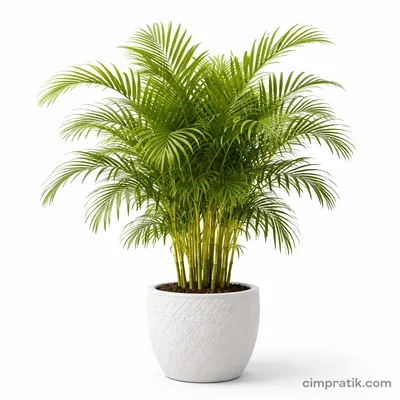
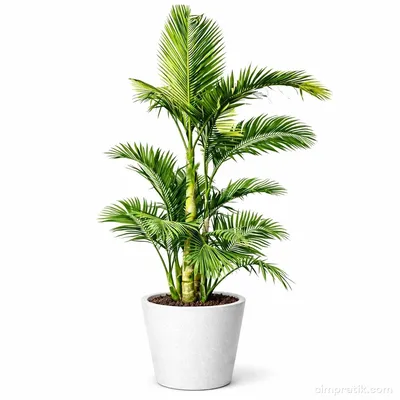
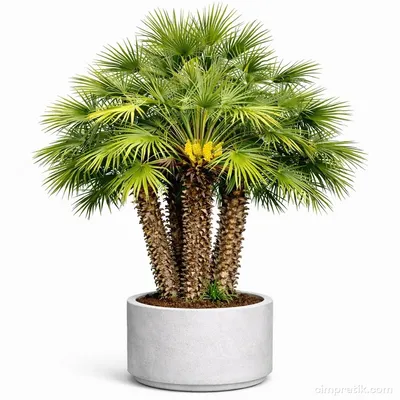
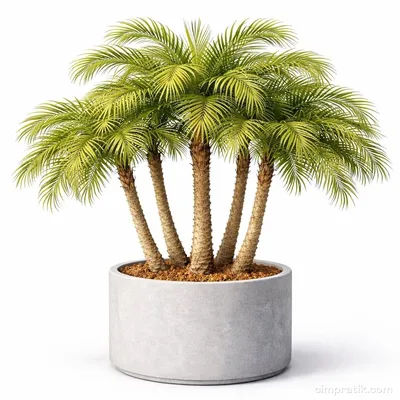
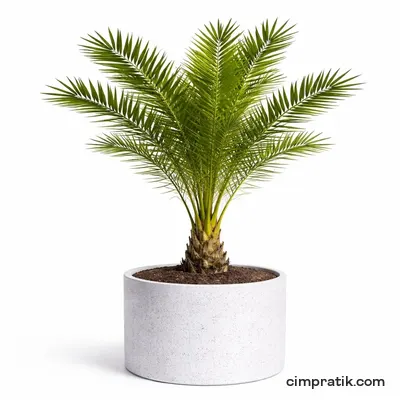
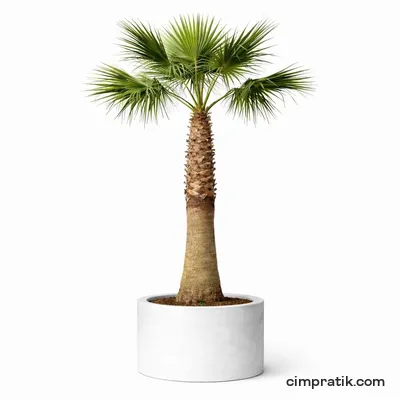
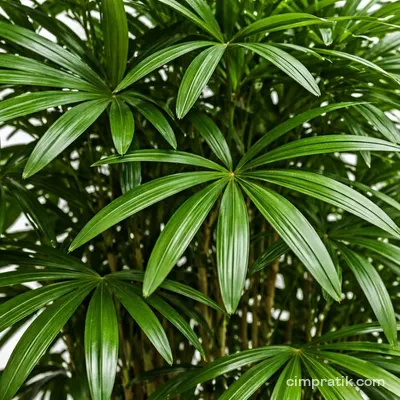
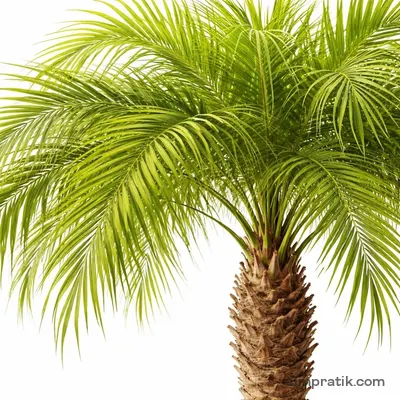
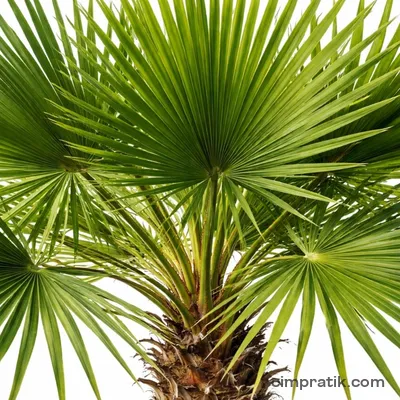
Palm Tree Guide: Types, Care and Landscape Use
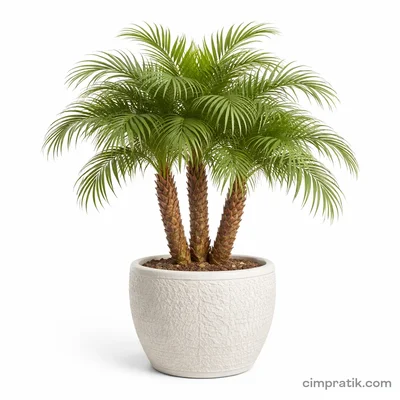
Palm trees are essential landscape plants for tropical and Mediterranean climates. From grand hotel entrances to coastal promenades, luxury villa gardens to mall landscapes, they serve a wide range of applications. With proper species selection and care knowledge, palms are long-lasting investments that add aesthetics and value for years.
Palm Species That Grow in Turkey's Climate
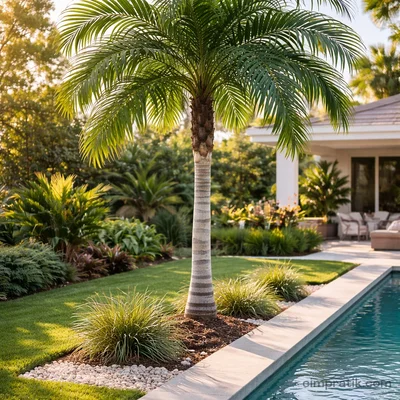
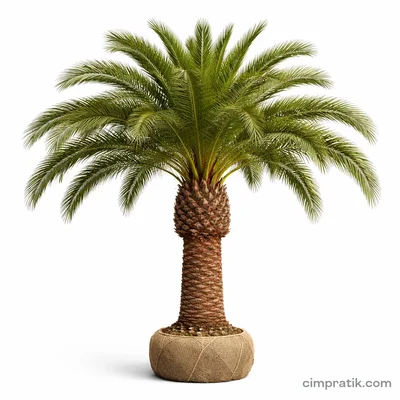
Turkey's Aegean and Mediterranean coastal strip allows many palm species to grow outdoors. Washingtonia Robusta (Mexican Fan Palm) is the most commonly preferred species with fast growth and -4°C tolerance. Phoenix Canariensis (Canary Island Date Palm) is the favorite of prestigious venues with its thick trunk and magnificent fronds. Trachycarpus Fortunei is the most cold-hardy species tolerating down to -15°C, even growable in inland regions.
Palm Use in Landscape Design
Palms are used for different purposes in landscape projects. For entrance and roadside planting, lined Washingtonia plantings are preferred; their symmetrical appearance adds prestige to streets. As a focal point, a single large Phoenix Canariensis creates impressive appearance at garden center. In tropical themed hotel and resort landscapes, using different palm species together creates rich atmosphere.
Essential Rules of Palm Care
The most important rule in palm care is never cutting green fronds; only completely dried lower fronds should be cleaned. Regarding watering, regular watering is essential the first year; mature palms are drought tolerant. Palm fertilizer should be applied in spring and summer; magnesium deficiency can cause yellowing. For winter protection, trunk wrapping and crown tying method is effective for young trees.
Frequently Asked Questions
No, palms generally grow outdoors along the Aegean and Mediterranean coastal strip. In inland areas, cold-hardy species like Trachycarpus should be preferred or winter protection applied. Some species can even grow in sheltered areas in Istanbul.
Varies by species. Washingtonia Robusta is the fastest growing at 30-60 cm per year. Phoenix Canariensis grows slowly (20-30 cm/year) but is very long-lived. Cycas (Sago Palm) grows only a few centimeters per year.
Price is mainly determined by trunk height and species. Large palms (4-6 m trunk) are more valuable as they've needed years to grow. Species rarity, root quality and health condition also affect price. Volume discounts apply for wholesale purchases.
Most common causes: magnesium or potassium deficiency (solved with palm fertilizer), over or under watering, cold damage, and root binding. Lower fronds yellowing through natural aging is normal; only completely dried ones should be cut.