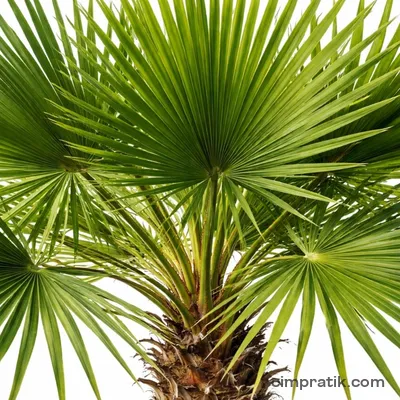
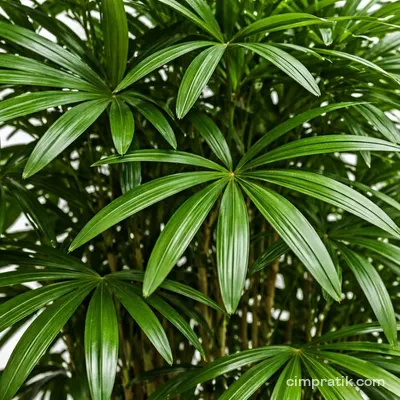
Cocos palm (Queen Palm), native to Brazil, is a fast-growing palm species that offers a tropical paradise appearance with its elegant feather-shaped bright green leaves. Its arching fronds up to 4-5 meters create a mesmerizing sight swaying gently in the wind. Preferred as a focal point in coastal projects, resorts, luxury residences and large landscape areas. Adapts perfectly to sunny and temperate climates.
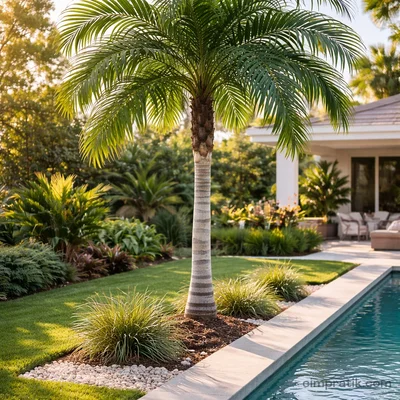
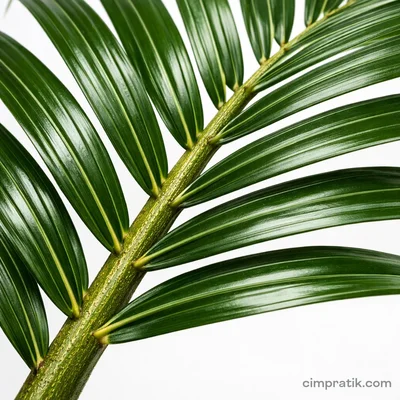
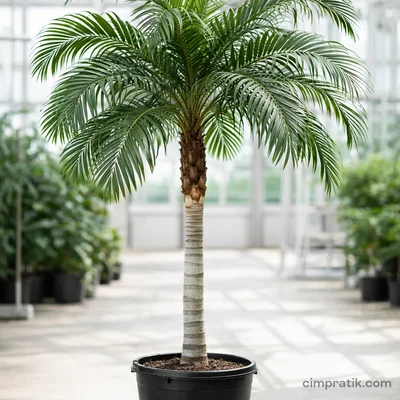
Cocos Palm (Queen Palm)
Syagrus Romanzoffiana
Fast-growing palm with elegant feather leaves offering tropical look, ideal for coastal projects and resorts.
Product Information
| Latin Name | Syagrus Romanzoffiana |
|---|---|
| Category | Palms |
| Stock Code | BTN-004 |
| Height | 3-8 m |
| Pot Type | Soil / Potted |
| Sale Type | Single |
Features
Climate Resistance
High (-5°C / 23°F)
Watering Needs
Medium (2-3 times/week)
Sun Requirement
Full Sun
Usage Area
Outdoor
Growth Rate
Fast (50-90 cm/year)
Maximum Height
15 m (in natural habitat)
Product Description
Detailed Specifications
| Trunk Structure | Straight, gray, ringed, single trunk, 30-45 cm diameter |
|---|---|
| Leaf Form | Feather-shaped, 4-5 m length, arching, bright green |
| Fruit | Yellow-orange, edible, 2-3 cm diameter |
| Root System | Deep and spreading |
| Lifespan | 70-100 years |
Care & Growing
Watering
Regular watering important in first 2 years after planting. Mature plants tolerate brief drought. Deep watering preferred.
Soil
Prefers deep, fertile and well-drained soil. Develops better in slightly acidic soil.
Fertilizing
Palm fertilizer 3-4 times a year. Watch for magnesium deficiency, add magnesium if leaves yellow.
Pruning
Only completely dried fronds should be cut. Don't touch yellowish-green leaves, they provide energy to plant.
Winter Preparation
Young plants should be covered in areas below -5°C. Mature plants are more resistant.
Usage Areas
- Coastal and marina projects
- Holiday villages and resort hotels
- Luxury villa and residence gardens
- Large parks and botanical gardens
- Golf courses
- Roadside and boulevard arrangements
- Swimming pool surroundings
Frequently Asked Questions
Grows excellently in Aegean and Mediterranean coastal areas. Also successful results in southern Marmara coasts.
Can grow 50-90 cm per year in ideal conditions. This makes it one of the fastest growing palm species.
Cocos has feather leaves and more elegant look. Washingtonia has fan leaves and is hardier. Cocos suits tropical, Washingtonia suits drier climates.
Yes, yellow-orange fruits are edible with sweet taste. However, not for commercial purposes.
Moderately wind resistant. Leaves may be damaged in very strong winds, but plant recovers.
Delivery and Logistics
Our Cocos palms are carefully transported with special pallet vehicles. Large plants delivered with crane trucks. Out-of-city shipping and project-based planting service available.
Get Price InfoSimilar Products
View All →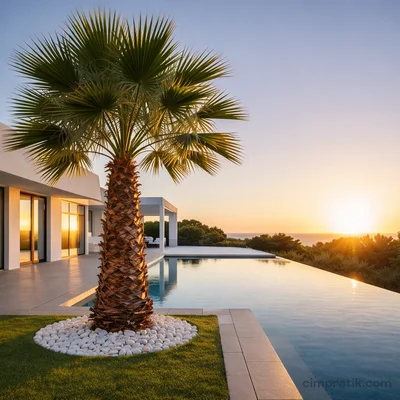
Palms
Washingtonia Robusta
Fast-growing, cold-resistant to -4°C, prestigious palm species ideal for hotel and mall entrances.
Get Price Info